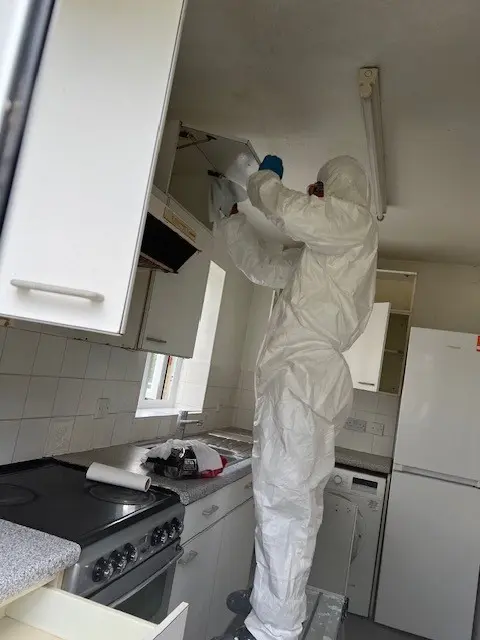
Mould Treatment
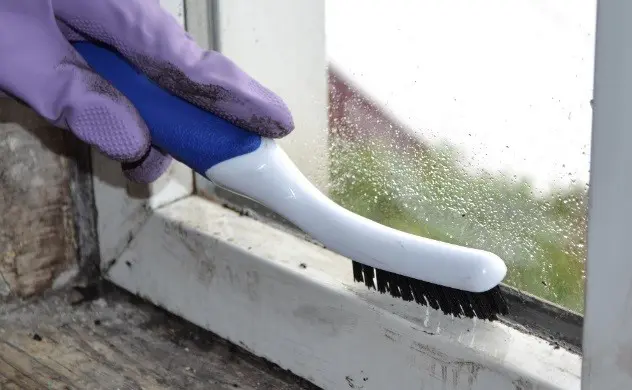
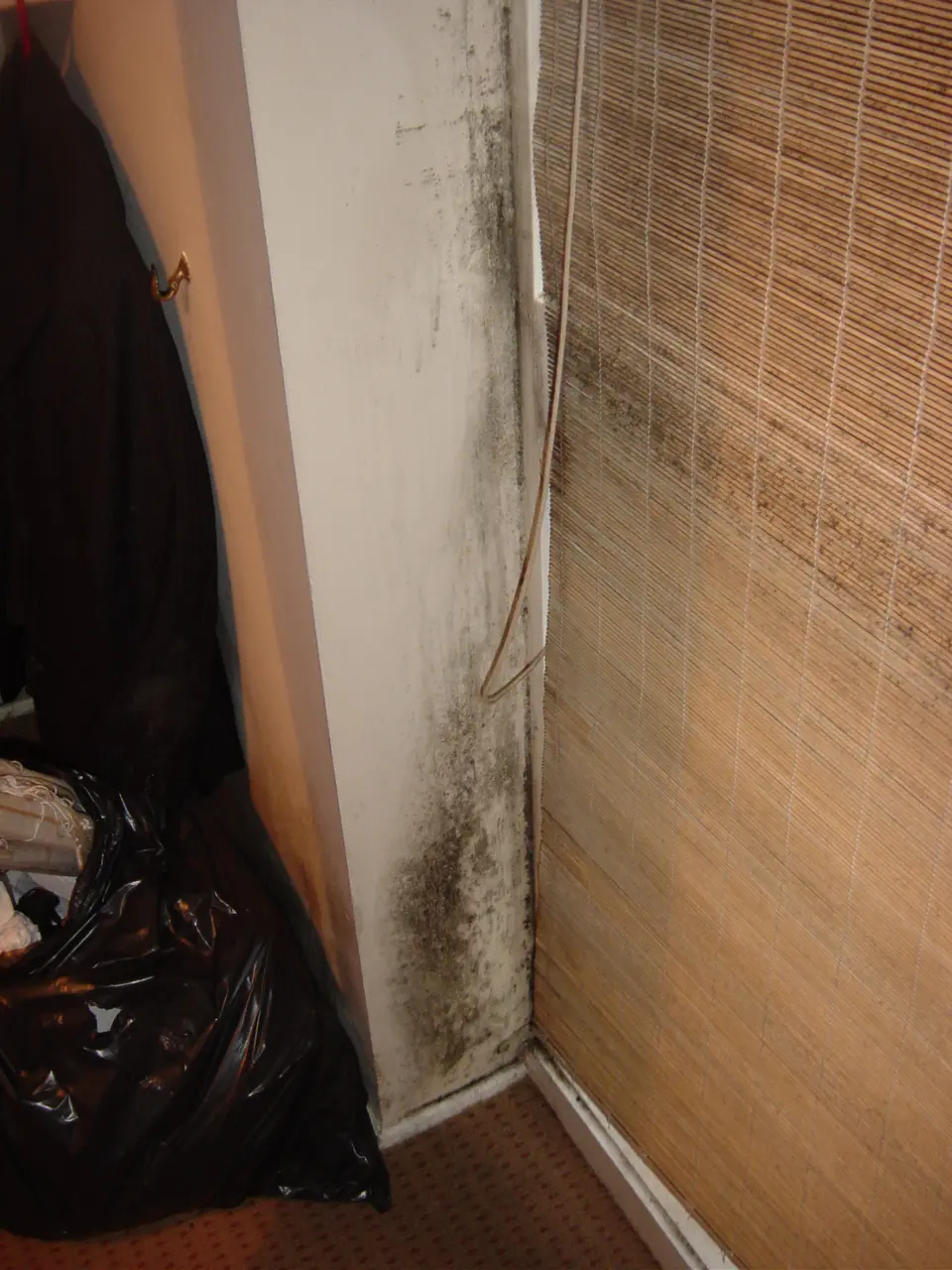
Bleach and a scrubbing brush will clear mould off a wall for a few weeks. It will not stop it coming back, because surface mould is almost always a symptom of a moisture problem underneath – condensation, a leak, or poor ventilation – that a wipe-down never touches. BioCraft treats mould at the source: we find out why it’s growing, remove it properly, and fix the cause so it doesn’t return.
✓ Every job pairs remediation with a root-cause repair, so mould doesn’t just grow back
✓ CSCS certified, PCA & FMB accredited, £10m public liability cover
✓ Typical jobs £500–£3,500 – we always survey and quote before any work starts, so no surprises
✓ TrustMark & Constructionline registered, listed on Checkatrade
Book a mould survey and get a fixed quote before any work starts.
What Is Mould Treatment?
Mould treatment is the process of safely removing mould growth from a property and, critically, resolving the moisture source that allowed it to grow in the first place. Proper mould treatment has two halves: remediation (containing, removing, and cleaning the existing mould so spores aren’t spread to the rest of the property) and root-cause repair (fixing the damp, leak, or ventilation issue behind it). Treating only the visible mould without the second half is why mould so often comes straight back.
What Causes Mould in the Home?
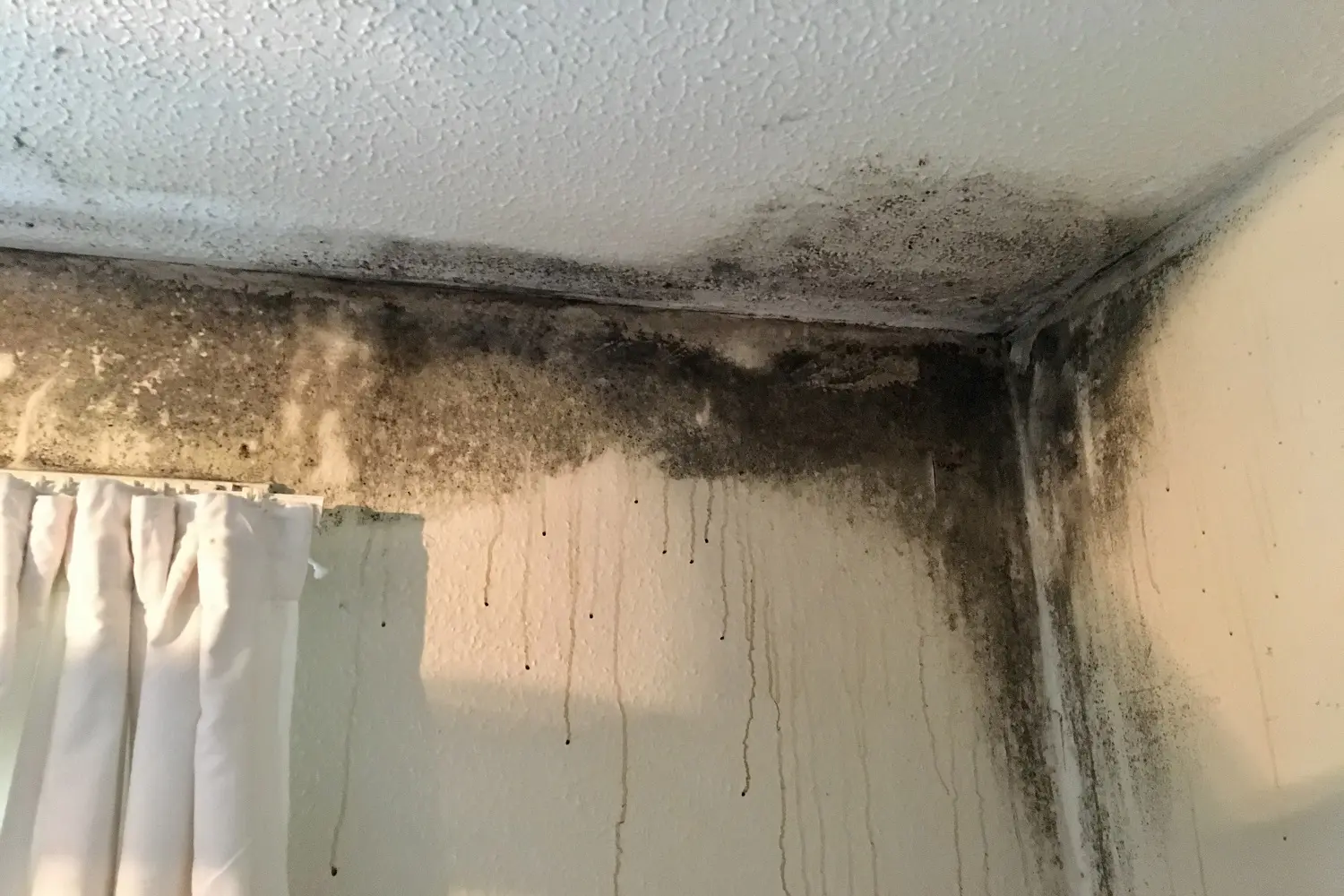
Mould needs moisture to grow, and in most UK homes that moisture comes from one of three places: condensation (warm, humid air meeting a cold surface), a hidden leak (a slow drip behind a wall, under a floor, or around a window frame), or rising or penetrating damp (moisture moving up or through a wall structure). Poor ventilation makes all three worse, because it gives moisture nowhere to go once it’s in the air. Identifying which of these is actually driving the mould in your property is the first job of any competent survey – and it’s the step that gets skipped when mould is treated as a cleaning job rather than a building problem.
Get in touch with us
For further information get in touch with Biocraft:
Our Mould Remediation Process
BioCraft’s process is built around fixing the cause, not just the symptom:
- Survey and diagnosis – identifying the moisture source behind the mould, using the same diagnostic tools as our condensation surveys
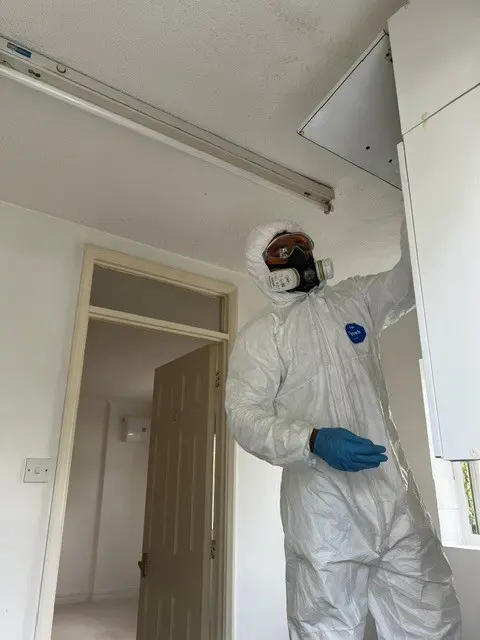
- Containment – sealing off the affected area so spores aren’t spread to unaffected rooms during treatment
- Removal – safely stripping affected materials (plaster, wallpaper, timber) where the mould has taken hold
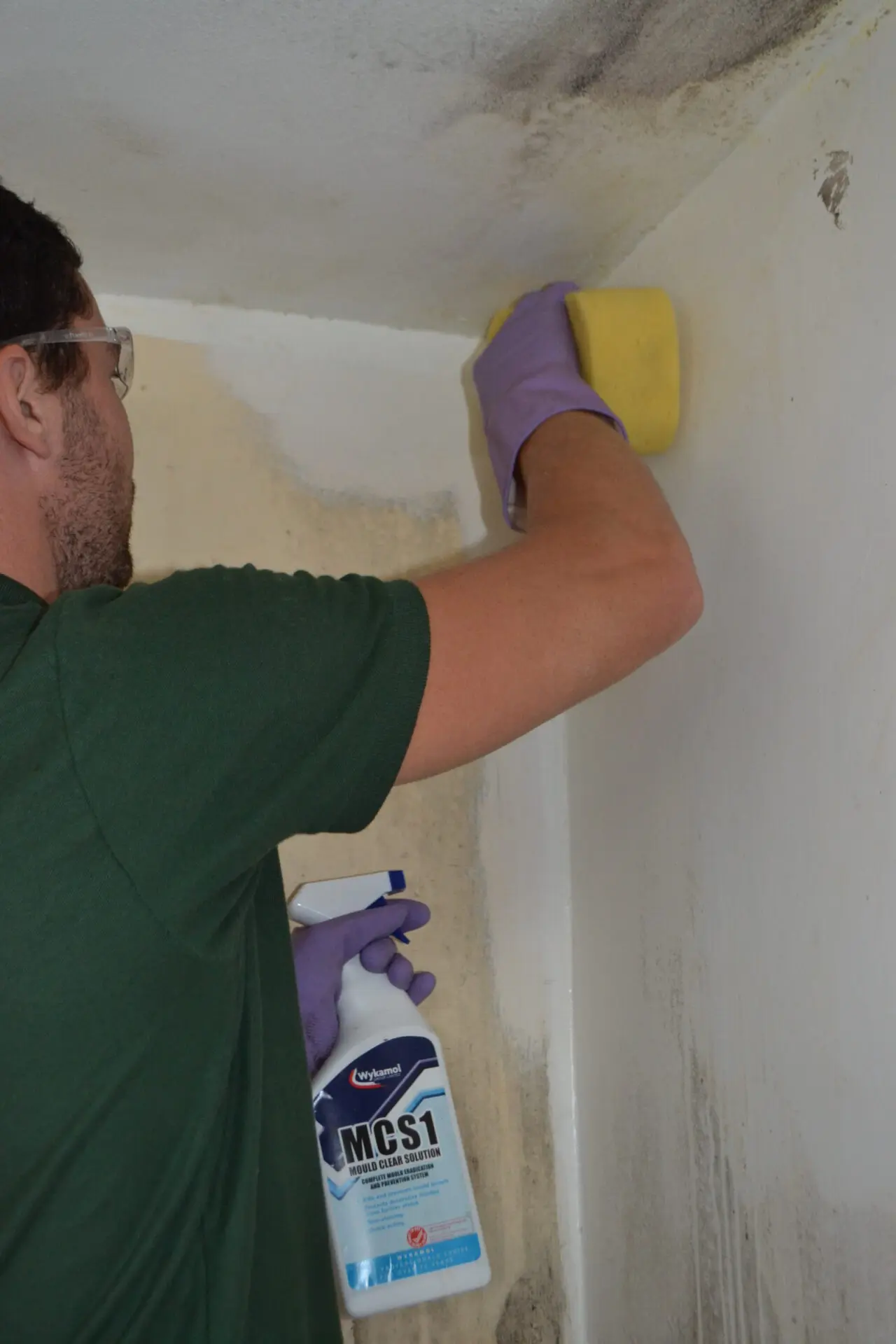
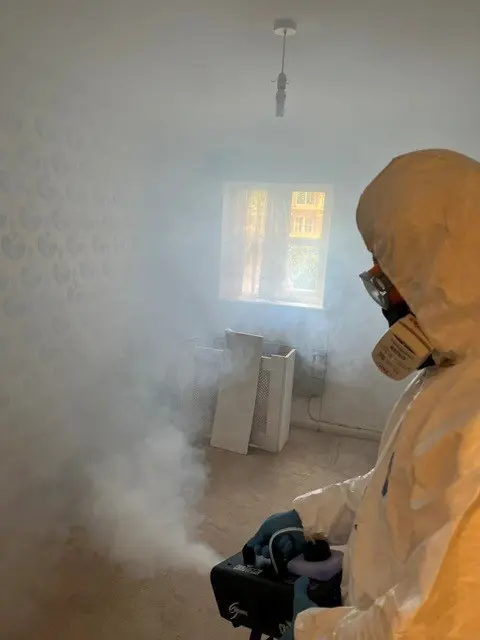
- Cleaning and treatment – professional-grade fungicidal treatment of the affected surfaces and surrounding area
- Repair – addressing the root cause, whether that’s fitting ventilation, resolving a leak, or repairing a damp-proof course, plus making good the treated area
How Much Does Mould Treatment Cost?
Mould treatment typically costs between £500 and £3,500, depending on the extent of the mould, how many rooms are affected, and what’s needed to fix the underlying cause. A single bathroom ceiling with a straightforward ventilation fix sits at the lower end; treatment across multiple rooms, or work that involves stripping and repairing affected plaster and timber, sits higher. We always survey and quote before any work starts, so there are no surprises once the job is underway.
Why Choose BioCraft
Our expert team have Construction Skill Certification Scheme (CSCS) cards and are fully trained on all aspects of health and safety including asbestos, lone working, fire prevention and all relevant safe practices. We also carry £10 million and £5 million employers and third-party public liability insurance, in addition to full building contracts insurance and professional indemnity insurance.
We’re a member of the Property Care Association (PCA), Federation of Master Builders (FMB), Checkatrade, Constructionline and we’re also Trustmark approved, so you can be rest assured you’re in safe hands for mould treatment in the Thames Valley.
Frequently Asked Questions
How do I get rid of mould permanently?
Cleaning visible mould only removes the surface growth – to stop it coming back, you need to fix the moisture source feeding it, whether that’s condensation, a leak, or poor ventilation. Permanent removal means diagnosing and treating that cause alongside the clean-up, which is why DIY cleaning products rarely give a lasting result on recurring mould.
How do I get rid of mould on walls?
Small, isolated patches on a non-porous surface can sometimes be cleaned with a mould-specific cleaning product and good ventilation afterwards. Recurring or spreading mould on plaster or wallpaper usually means moisture is inside the wall build-up, not just on the surface – in that case, a survey is needed to identify the source before treatment will hold.
How do I remove black mould?
Black mould (Stachybotrys and similar species) should be treated with caution, as disturbing large areas can release spores into the air. For small patches, a fungicidal mould cleaner and improved ventilation can help; for anything beyond a small, contained area, or mould that keeps returning, professional removal is the safer route – particularly in bedrooms or anywhere with prolonged exposure.
How do I stop mould in a bedroom?
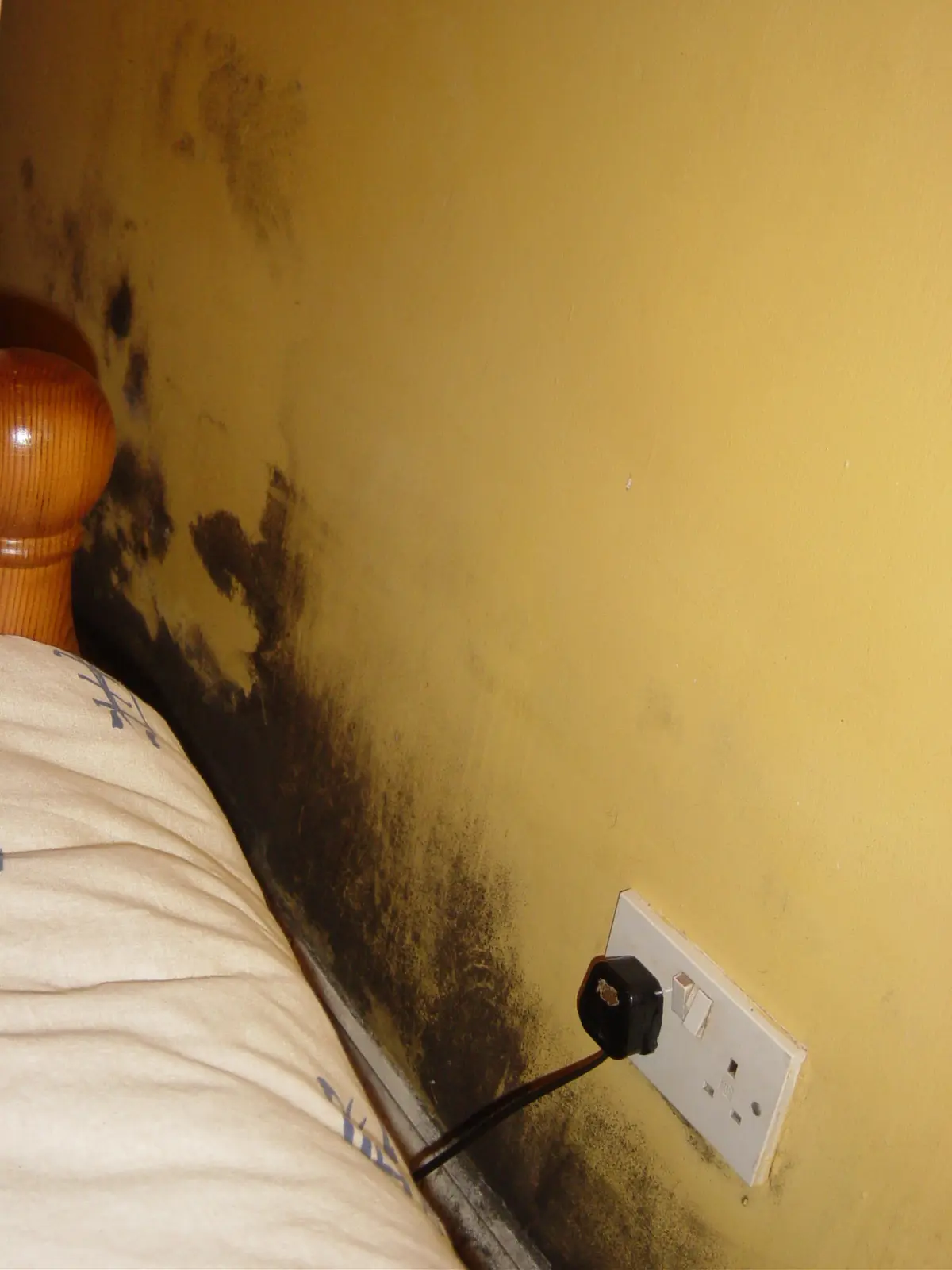
Bedroom mould is very often linked to reduced ventilation overnight – doors and windows closed, and moisture from breathing with nowhere to go. Keeping a trickle vent open, avoiding drying laundry in the room, and not overfilling wardrobes against external walls all help. If it persists despite this, it points to a ventilation or insulation issue that needs a proper assessment.
How do I get rid of mould smell?
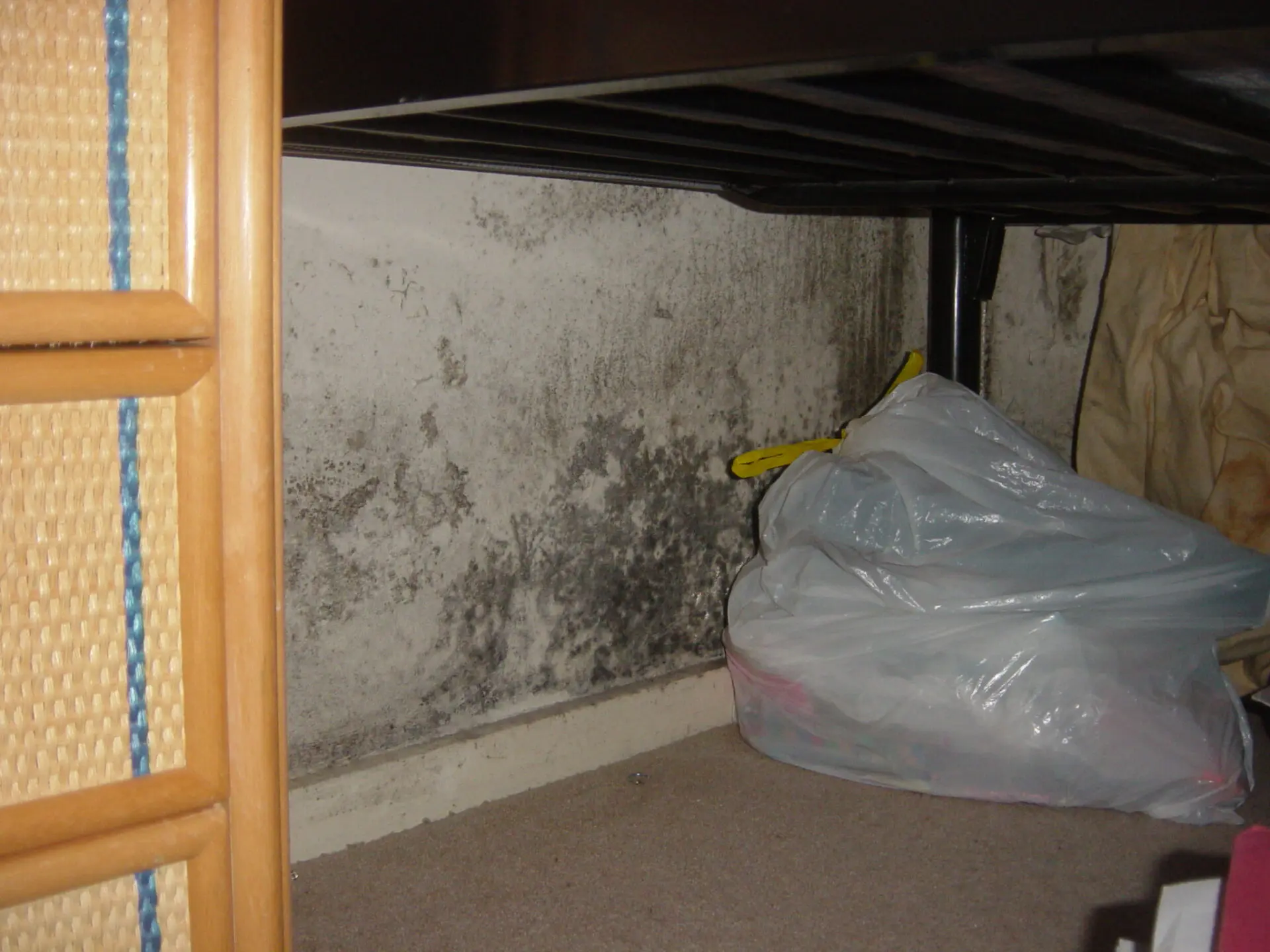
A musty smell usually means mould is present even if you can’t see it – commonly inside a wardrobe, under carpet, or behind furniture against an external wall. Cleaning products can mask the smell temporarily, but it will return until the damp source is found and treated, so persistent smell without visible mould is worth having surveyed.
How do I prevent mould in the house?
Good ventilation is the single biggest factor: extractor fans used consistently in kitchens and bathrooms, trickle vents left open, and laundry dried outdoors or in a ventilated space. Keeping a consistent, moderate background heat rather than letting rooms get cold also helps, since cold surfaces are where condensation – and the mould that follows it – tends to start.
How do I prevent mould in the house?
Good ventilation is the single biggest factor: extractor fans used consistently in kitchens and bathrooms, trickle vents left open, and laundry dried outdoors or in a ventilated space. Keeping a consistent, moderate background heat rather than letting rooms get cold also helps, since cold surfaces are where condensation – and the mould that follows it – tends to start.
Get a Mould Treatment Quote
If mould keeps coming back no matter how often you clean it, it’s a moisture problem, not a cleaning problem. Book a survey with BioCraft – CSCS certified and PCA & FMB accredited – and we’ll diagnose the cause, remove the mould properly, and fix what’s behind it.
Image Gallery